 HR / EUR








We Tested ArcticEdge Barefoot Boots in the Extreme. How Did They Perform in Antarctica?
 Be Lenka
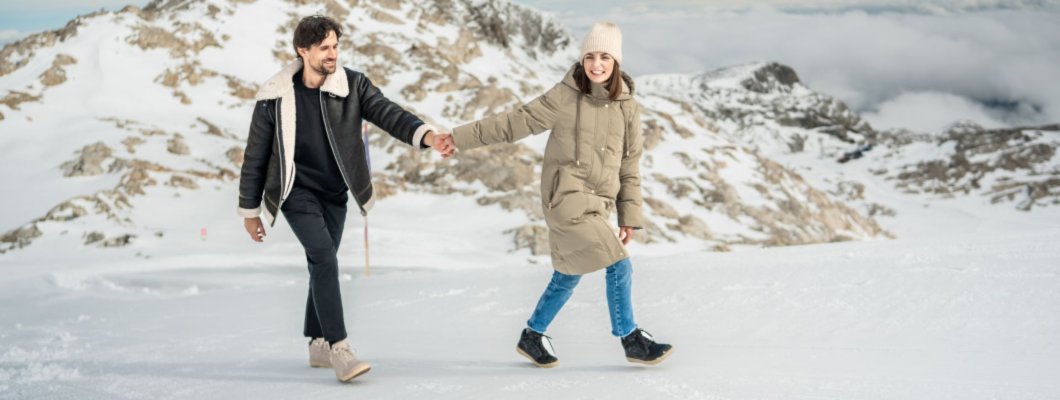
It was February 2026, and you witnessed a collaboration that quite literally pushed us to the edge. A Slovak scientist packed his gear, boarded a plane, then another plane, then a ship, then an icebreaker… until he finally reached Antarctica alongside a team of researchers, wearing our ArcticEdge barefoot boots every step of the way.
When RNDr. Michal Goga, PhD. from Pavol Jozef Šafárik University told us he was heading to Antarctica to study mosses, lichens, and the impact of climate change on the harshest continent on Earth, one slightly crazy thought crossed our minds: “What if you took our ArcticEdge boots with you?”
Laboratory testing is great, but there is an even higher level of testing. A place where the wind lashes against your face without mercy. Where sharp rocks challenge every sole, and the nearest shop is quite literally on another continent.
Michal agreed, and just like that, our most technical winter barefoot boots, ArcticEdge, became part of a real scientific expedition. We spoke with Associate Professor Michal Goga about what life in Antarctica actually looks like, how the expedition unfolded, and what happens when you take barefoot footwear to one of the most unforgiving places on the planet.

1. Could you briefly describe the preparation process, the journey itself, and the main goal of the expedition?
Preparing for Antarctica was incredibly intense from the moment I decided to go. There were many things I had to take care of before departure, especially my physical condition. I worked with a team of professionals, including a personal trainer from House of Athletics, a nutrition specialist from Akadémia výživy, and doctors from Športové centrum Košice Šaca. Of course, clothing and equipment were equally important. When you are heading to the harshest continent on Earth, nothing can be left to chance. If you forget something, there is no way to buy it there.
After several months of intense preparation, I felt physically ready. Mentally, though, you can never fully prepare. It only truly hits you when you start approaching your destination, which for us was the scientific station on James Ross Island. Getting there was demanding because logistics are absolutely crucial in Antarctica. The continent is accessible only by ship and partially by air. We flew from Vienna to Madrid, then Santiago de Chile, Punta Arenas, and finally King George Island, which is already part of Antarctica. From there, we travelled south for two more days aboard the Chilean icebreaker Viel to reach James Ross Island. Our main objective was to study the impact of global warming on Antarctica. The team included climatologists, geologists, microbiologists, plant physiologists, permafrost specialists, and glaciologists. My focus was on local flora, specifically lichens and mosses, because those are among the few organisms capable of surviving there, alongside cyanobacteria, algae, and bacteria.
2. What do you personally find most fascinating about your scientific work?
In general, I specialise in plant stress physiology, which means I study how plants respond to different types of environmental stress. My primary focus is on lichens and mosses. What fascinates me most is that I work in a field explored by relatively few people. That is what I enjoy most about it. The interdisciplinary nature of my work constantly opens the door to discovering something new.
3. What does a typical day look like in such extreme conditions?
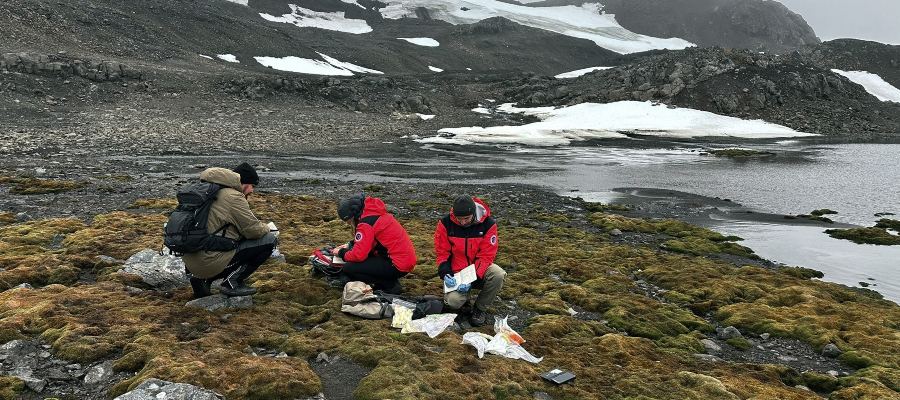
It depends on whether you are assigned station duty or heading out into the field. If you are on station duty, you and one other person are responsible for running the station. You prepare breakfast, lunch, and dinner for 18 people, refill thermoses with hot tea, clean the station, vacuum, clean bathrooms, change towels, and handle countless daily tasks.
Fieldwork requires careful planning. You need to determine where you are going, monitor weather conditions, and prepare for Antarctica’s highly unpredictable climate. Layering your clothing is essential because temperatures and physical demands can change quickly. And then there is footwear. You have to take care of it properly because more than one pair of boots has fallen apart during Antarctic expeditions due to the extreme conditions. You maintain the leather, wax it, dry it, and constantly monitor its condition. Once you are fully prepared, the best part begins: exploring remote locations and collecting samples.
4. What was personally the most challenging part of Antarctica for you?
I would say Antarctica affects you mainly on a psychological level. But for me personally, the hardest part was definitely the journey itself because I am not particularly fond of planes or ships. And Antarctica can only be reached by air or sea. When you look at a map and realise just how far from home you really are, it becomes overwhelming. Crossing the Drake Passage especially is not something for weak stomachs.
5. You took our ArcticEdge barefoot boots with you on the expedition. How did they perform?
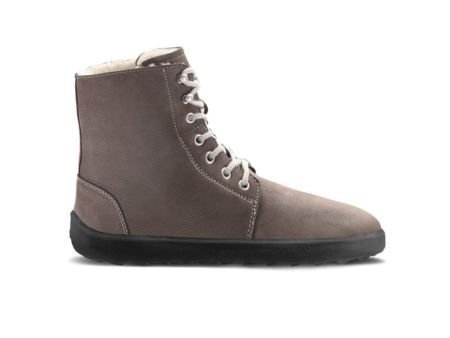
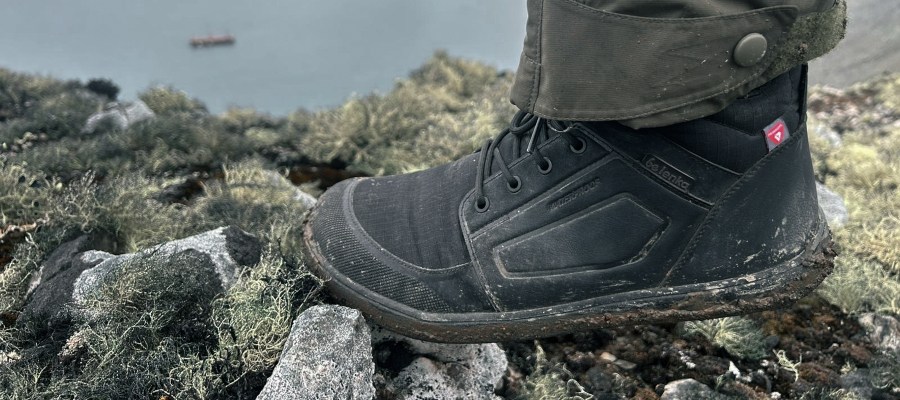
I have to admit, I packed ArcticEdge with a certain amount of scepticism. I thought they would be great for Patagonia, but surely not for Antarctica. Just think about the conditions we faced: snow, freezing temperatures, wind, water, and intense UV radiation. And that is before mentioning the terrain itself, where 90% of the time you are walking on sharp rocks, mud, wet ground, and unstable surfaces. But I was completely wrong. Honestly, I could not have wished for better expedition boots.
Imagine travelling from winter in Europe to Santiago de Chile, where temperatures reach 30°C. While my colleagues wore heavy winter boots because of luggage weight limits, I travelled in ArcticEdge. The difference was unbelievable. They were lightweight and surprisingly comfortable even in warm weather. Then you reach Punta Arenas, where it gets colder but still not cold enough for heavy expedition footwear. And finally comes the real shock: King George Island, the ship transfer to James Ross Island, and terrain that becomes truly extreme. I would genuinely rate these boots 10 out of 10. Even my colleagues became interested in them once they noticed how practical, lightweight, and easy to maintain they were.
6. In which situations were the boots really put to the test during the expedition? (for example snow, wet conditions, or long treks)
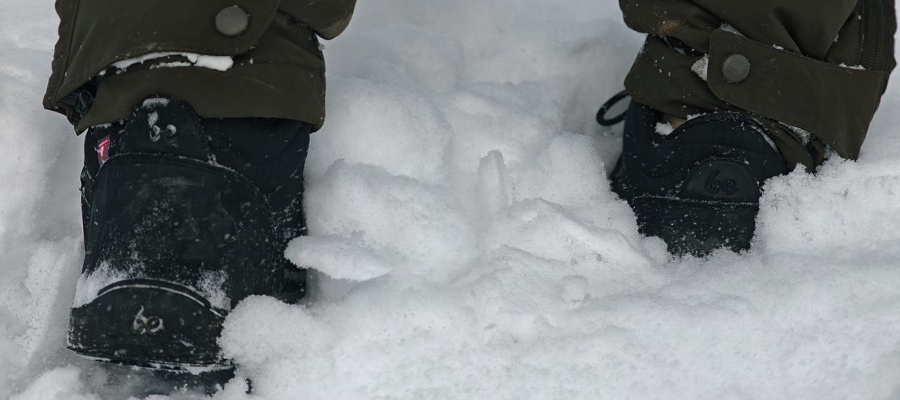
Honestly, I did not go easy on them at all. I wanted them to experience the same extremes I experienced in Antarctica. ArcticEdge handled snow, freezing temperatures, water, moisture, intense UV radiation, and long treks incredibly well. They were especially comfortable during long hikes across difficult terrain, which makes them a great option for winter hiking. The only place I did not wear them was on glaciers because the sole is flat and not specifically designed for icy surfaces. That said, even other footwear with more aggressive soles was practically useless on glaciers without crampons.
7. How did they perform in terms of warmth? Were your feet comfortable even in low temperatures?
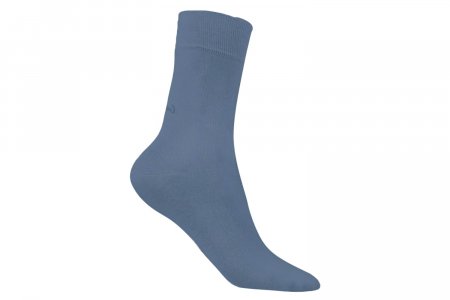
When it comes to warmth, I was extremely satisfied. What impressed me most was how adaptable they felt. When temperatures were milder, the boots remained comfortable and breathable. When it got cold, they kept my feet pleasantly warm. But I also have to mention another product that impressed me even more than the boots themselves: the Be Lenka merino socks. Honestly, they are the best winter socks I have ever worn. I cannot imagine winter without them anymore, and I truly hope Be Lenka makes a summer version as well. They are definitely staying in our household. The fit, the ideal height, and all the benefits of merino wool made a huge difference.
8. Waterproofness is one of the key features. Did the boots come into contact with water? How did they handle it?
The boots performed exceptionally well around water. Several times, I accidentally stepped into streams that were deeper than what regular footwear could handle, and I also walked through wet terrain regularly. At one point, I even cleaned mud off the boots by standing directly in running water, and they still did not leak. Their waterproofness genuinely impressed me. The only real issue happened on the last day when I accidentally fell into the sea and submerged my entire leg below the knee. At that point, once water gets inside the boot, you obviously feel it. But honestly, that would happen with any footwear. What surprised me was that even with the inside completely soaked, my feet still did not feel cold. I later changed, dried the boots, and continued without any problems.
9. How would you rate their durability in demanding terrain?
ArcticEdge probably deserves a successor called AntarcticEdge with a few expedition specific upgrades, although that is just our perspective as scientists from the field. The upper material handled some of the harshest conditions imaginable with ease. This was genuine real world testing in an environment where nothing can be left to chance. The sole performed brilliantly despite constant exposure to sharp rocks. At some point, I gave up worrying about the terrain before the boots did. The maintenance side also impressed me. While traditional leather boots often require time consuming care with brushes and waxes, these only needed an impregnation spray and they were ready to go again.
They never tore, never failed me, and I especially appreciated the reinforced toe protection. The front of the boot handled impacts extremely well and protected my toes from injury.
10. Barefoot footwear is quite specific. How did it feel in these conditions compared to traditional footwear?
When I told people I was taking barefoot boots to Antarctica, everyone looked at me as if I had lost my mind. What makes Be Lenka exceptional is the wider toe box, which allows your toes to stay in a natural position instead of being compressed. The sole is firm, but people often misunderstand what matters in barefoot footwear. Is the goal simply to feel every rock under your feet? In that case, you could just walk barefoot. For me, the key is stable, reliable footwear that performs well in difficult terrain. In Antarctica, a twisted ankle could easily mean the end of the expedition. ArcticEdge is an ankle boot, so it provides support while still remaining extremely comfortable for walking, whether in the wilderness or in the city during winter. What I also appreciate is how versatile they are. They look great both outdoors and in urban settings.
11. Was there anything about the boots that genuinely surprised you?
Definitely. I have always struggled with heel abrasion in footwear. Be Lenka absolutely nailed this detail. The leather section around the heel was an incredibly smart solution. It was comfortable, practical, and genuinely impressive.
12. Finally, what are you taking away from this expedition, both scientifically and personally?
If I were in the military, I would probably say that keeping your feet dry is the first rule of survival. That is actually something my colleagues who served in the military told me, and Antarctica made me fully understand why. But seriously, Antarctica leaves you with an incredible sense of humility. You realise how small and powerless humans are compared to the force of nature. The landscape changes every single day, and it completely absorbs you. At times, you almost do not want to leave that beautiful frozen world behind and return home.
From a scientific perspective, I brought back samples that we will likely analyse for years. I truly believe that ongoing Antarctic research can help people better understand the importance of treating nature with respect. Nature was here before us. It gave us the opportunity to live in it and experience its beauty. We are only temporary visitors.
Are winter barefoot boots suitable for extreme conditions?
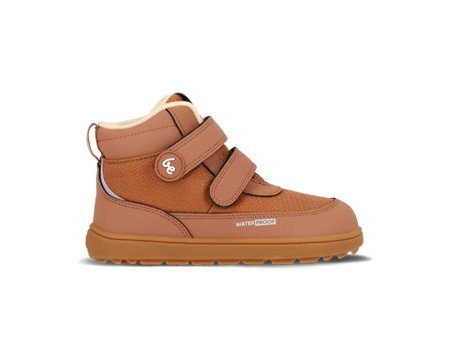
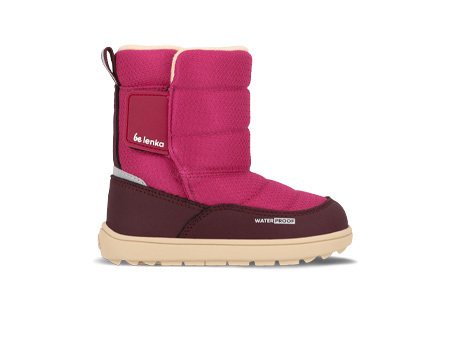
+ -Yes, especially in the case of our technically advanced ArcticEdge model. The boots were tested both in laboratory conditions and during a real Antarctic expedition, where they handled snow, wind, moisture, and demanding rocky terrain with ease. Thanks to Primaloft insulation technology, they provide thermal comfort in temperatures as low as -30 °C while still maintaining flexibility and a natural barefoot feel.
Will barefoot boots keep your feet dry in snow and rain?
+ -High quality winter barefoot boots made with waterproof materials and membranes can handle snow and wet conditions without any issues. ArcticEdge was designed to keep feet dry even when exposed to water, snow, and mud. During the Antarctic expedition, the boots were tested in streams and wet terrain and performed exceptionally well.
Are barefoot winter boots warm enough for freezing temperatures?
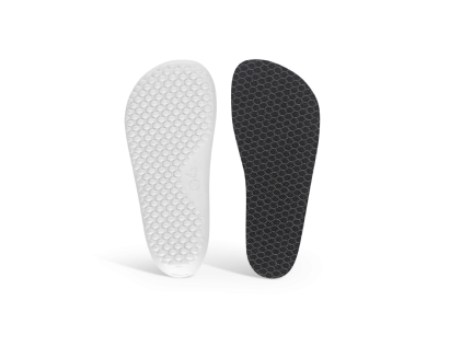
+ -Many people assume barefoot footwear automatically means cold feet, but that is far from true with our winter models. ArcticEdge uses Primaloft insulation and the ThermoGrip Neo sole, which helps isolate the foot from cold surfaces. The result is reliable comfort even in extremely low temperatures.
What are the main advantages of barefoot winter boots compared to traditional winter footwear?
+ -Barefoot winter boots provide a more natural toe space, which significantly improves comfort during long days and extended walking. Compared to traditional winter footwear, they are often lighter, more flexible, and more comfortable overall. ArcticEdge also offers technical benefits such as waterproofness, durability, and the ThermoGrip Neo anti slip sole. Another major advantage is versatility.
Do you think others should know about this too?
Share it :)